In the digital age, the need for secure and accurate financial transactions is paramount. One essential element in this process is the routi...
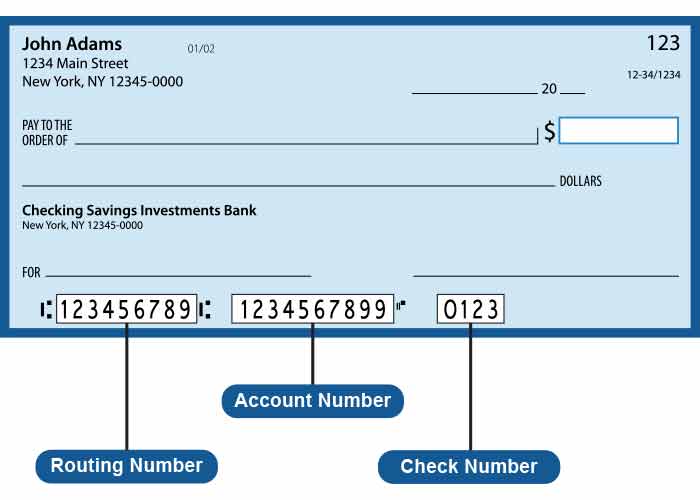
Understanding Routing Numbers
A routing number, also known as an ABA (American Bankers Association) number, plays a crucial role in facilitating various types of financial transactions. These include direct deposits, electronic funds transfers (EFTs), check processing, and wire transfers. Each routing number is unique to a specific financial institution and is used to identify the institution responsible for the payment.
The nine-digit routing number consists of three components:
1. Federal Reserve Routing Symbol : The first four digits identify the Federal Reserve district where the bank is located.
2. ABA Institution Identifier : The next four digits identify the specific financial institution.
3. Check Digit : The final digit is a checksum used to validate the routing number.
The Need for Routing Number Checkers
Given the critical role of routing numbers in financial transactions, accuracy is essential. Errors in routing numbers can lead to transaction failures, delays, and even fraudulent activities. A routing number checker helps mitigate these risks by verifying the validity of routing numbers before transactions are processed.
How Routing Number Checkers Work
Routing number checkers are designed to quickly and efficiently validate routing numbers. Here’s how they typically function:
1. Input Validation : The user enters the nine-digit routing number into the checker tool.
2. Database Comparison : The tool compares the entered routing number against a comprehensive database of valid routing numbers for financial institutions.
3. Checksum Verification : The tool performs a mathematical calculation using the first eight digits and compares the result with the ninth digit (check digit) to ensure the number is valid.
4. Result Output : The tool provides immediate feedback on the validity of the routing number. If the number is valid, the tool may also provide additional information about the financial institution, such as its name and location.
Benefits of Using a Routing Number Checker
1. Enhanced Security : By verifying routing numbers, these checkers reduce the risk of fraudulent transactions, protecting both individuals and businesses from potential financial losses.
2. Improved Accuracy : Routing number checkers help prevent errors in financial transactions, ensuring that funds are directed to the correct financial institutions.
3. Time Efficiency : Automated verification saves time compared to manual checks, allowing for faster processing of transactions.
4. Cost Savings : Avoiding transaction errors and fraud reduces costs associated with rectifying mistakes and handling disputes.
Applications of Routing Number Checkers
1. Banking and Financial Services : Banks and financial institutions use routing number checkers to verify routing numbers during transaction processing, ensuring accuracy and security.
2. Payroll Processing : Employers and payroll service providers use these tools to validate routing numbers for direct deposit of employee salaries, preventing payroll errors.
3. Online Payments : E-commerce platforms and payment processors integrate routing number checkers to verify routing numbers for electronic payments, enhancing the customer experience and reducing transaction failures.
4. Personal Use : Individuals can use routing number checkers to verify the accuracy of routing numbers when setting up direct deposits, bill payments, or money transfers.
Choosing a Routing Number Checker
When selecting a routing number checker, consider the following factors:
1. Accuracy : Ensure the tool uses a comprehensive and up-to-date database of valid routing numbers.
2. User Interface : A user-friendly interface makes it easy to input routing numbers and understand the results.
3. Security : The tool should employ robust security measures to protect sensitive financial information.
4. Integration : For businesses, the ability to integrate the checker with existing systems and workflows is crucial for seamless operation.
5. Support : Reliable customer support can assist with any issues or questions that arise during use.
Conclusion
In a world where financial transactions are increasingly digital, the importance of secure and accurate routing number verification cannot be overstated. Routing number checkers play a vital role in ensuring that transactions are processed smoothly, efficiently, and securely. By leveraging these tools, individuals and businesses can protect themselves from errors and fraud, ultimately contributing to a more reliable and trustworthy financial ecosystem.


COMMENTS